East Finchley Removals

East Finchley removals should be arranged with care, clear timings and the right team for the job, whether you are moving from a flat, a terraced house or an office premises. Our removals service covers planned household and business moves, along with practical help for packing, lifting, transport and unloading. The aim is straightforward: move your belongings safely, keep the day organised, and reduce avoidable delays from the first box to the last item in place.
We handle a wide range of move types, from home moves and flat removals to larger commercial moves where equipment, furniture and files need to be managed in sequence. If your move includes bulky items, awkward access or a mixture of boxed and loose belongings, we can tailor the work around that. Careful loading, sensible route planning and consistent handling all matter when the move has to run to schedule.
For customers who want a simpler approach, we can also help with the vehicle and lifting side of the job through man and van and man with van arrangements. These are useful when you have fewer items, need flexible collection or want a practical option for local transport without overcomplicating the process. If you are comparing choices, our pages on removals and removal services set out the main types of help available.
Home removals planned around the property
House and flat moves often need different handling, even before a single box is lifted. A top-floor flat with narrow stairs or limited parking calls for a different loading pattern from a family house with a driveway and easy access. That is why we look at access, item volume and the order in which possessions should be loaded and unloaded. House removals are usually built around furniture, kitchen items and personal belongings, while flat moves may depend more heavily on carrying routes and a good understanding of building restrictions.
For smaller properties or part-load situations, we can keep the move streamlined without losing care over the details. The practical steps usually include protecting furniture, grouping fragile items together and separating anything that needs to be delivered first, such as beds, essential kitchen items or work equipment. You can also review house removalists if you want a more direct overview of the moving support available for domestic property moves. Every move benefits from clear labelling, especially when several rooms are involved.
Before the day, it helps to prepare a short inventory and make sure access points are clear enough for carrying larger items. If you need packing materials or support with boxing up, the packing and boxes service explains the practical side of preparing items for transit. A well-organised start keeps loading faster and helps the vehicle use its space properly. Good packing is not about filling every box to the limit; it is about keeping contents stable and manageable.
Office and business moves with minimal disruption

Office and business removals require a different rhythm from domestic moves because desks, chairs, computers, filing and stock often need to be handled in a set order. Our office removals work is designed for businesses that want their furniture and equipment moved efficiently, with attention paid to access, protection and unloading sequence. We also cover larger-scale office relocation services where the move may involve several rooms, multiple work areas or a change of premises in stages.
When planning a business move, it is often sensible to decide which items must be disconnected, boxed or moved last. That may include IT equipment, meeting room furniture, archive boxes or specialist items that should not be stacked with general office furniture. Our approach is practical rather than theatrical: protect the items that matter, move them in the right order and keep the process understandable for the people involved. If you need transport for heavier pieces, the moving truck page provides another relevant option within the wider service range.
Useful preparation without overcomplicating the job
Two simple preparations usually make the biggest difference: a short written list of what is moving and a clear note of any access limits. That may cover lift use, loading bay restrictions, narrow corridors or items that need to be taken apart before they are carried out. For packing help, the packing and unpacking services page explains how support can be shaped around the move. If you are ready to discuss the work, request a quotation once the main items and addresses are clear.
Packing support, boxes and safer handling

Packing is one of the most time-consuming parts of any removal, but it also affects how securely the move can be completed. Our service can include assistance with packing materials, box preparation and the practical organisation of fragile or awkward items. The point is not only to wrap possessions, but to keep the load stable so it travels without unnecessary movement. If you need a fuller overview, packing and unpacking services gives a useful route into that part of the work.
Different items need different levels of protection. Books and documents are usually best packed into smaller boxes so they can be lifted safely, while crockery, lamps, ornaments and kitchenware need more separation and cushioning. Furniture may need basic dismantling before transport, especially where doors, stairways or turns are tight. We also support furniture removals for larger individual items or grouped pieces that must be moved with care rather than simply carried out in a rush.
There are a few sensible rules that help the day go more smoothly: keep essential items separate, label boxes by room, and avoid mixing heavy books with fragile belongings. If you want materials in advance, or if the move includes a lot of wrapping and sorting, say so when you enquire. That allows the quotation to reflect the real workload instead of relying on assumptions. Small bits of planning often save large amounts of carrying time.
Furniture, bulky items and careful lifting
Some removals are dominated by one or two difficult items rather than a full house load. Sofas, wardrobes, beds, cabinets, pianos and large tables can need extra care because they are heavy, bulky or awkward to turn. Our furniture-focused moving work is designed around that kind of challenge, with attention to protective handling, access routes and whether items should be carried assembled or dismantled first. For a more item-led view of the service, see furniture removals and furniture pick-up.
Sometimes the practical question is not simply how to move a piece, but how to move it without damaging the item or the property around it. Door frames, hallways, stairwells and floors can all be vulnerable during a tight carry, so padding and steady lifting matter. We also handle specialist jobs such as piano removals where balanced movement and careful route choice are especially important. The right method depends on the item, not on a one-size-fits-all promise.
When arranging this kind of work, it helps to note the dimensions of the items and whether anything can be separated into smaller parts. That information helps with deciding how many people are needed and whether the work fits best alongside a full move or as a single-item collection. If you are still weighing options, the removal companies page can help you compare the service categories available here. Special care is often about preparation, not just muscle.
Man and van options for flexible moving

Not every move requires a full household transport plan. For smaller loads, collections or short-notice transport, our man and van and man with van services give a flexible way to move items without booking a larger removal setup than you need. These options are useful for single-room moves, a few large items, or a customer who wants transport help as part of a simpler arrangement.
A flexible vehicle-based service still needs the same attention to loading order, item protection and access. A heavy object should not be pressed against fragile boxes, and loose items should not be allowed to slide during transit. If you are moving across town rather than across the country, this style of work can be a practical middle ground. For other transport arrangements, removal van and removal truck hire are also listed options on the site.
Use this kind of service when the main task is to get belongings from A to B efficiently, with lifting help included where needed. It is especially suitable when the move is straightforward but still too much for a standard car or regular courier. If you are ready to proceed, ask for a quotation once you know what needs moving and when it needs to arrive. That keeps the discussion focused on the actual job.
Storage, timing and moves that happen in stages
Some removals are completed in a single visit, but others need an intermediate stage because completion dates, property handovers or refurbishment work do not line up neatly. In those cases, storage can help keep the process orderly rather than forcing everything into one day. Our site includes a storage page for customers who need to bridge a gap between properties or keep items secure while the next address is prepared. That can be especially useful where furniture or boxes are not needed immediately.
Staged moves often work best when the first delivery includes the most essential items and anything else follows once access is ready. This approach can reduce pressure on both the packing side and the unloading side, especially where the new place is not fully prepared. If you are in that position, it is helpful to identify what must be available straight away and what can wait. Sequencing matters because it keeps the move practical rather than chaotic.
For customers comparing timing options, the range of services on the site lets you match the move to the circumstances rather than forcing a standard pattern. Whether you need direct transport, short-term holding or a vehicle-based collection, the choice should reflect the actual amount of furniture, the available access and the handover schedule. When those details are clear, the quotation process is simpler and the move is easier to manage.
About East Finchley
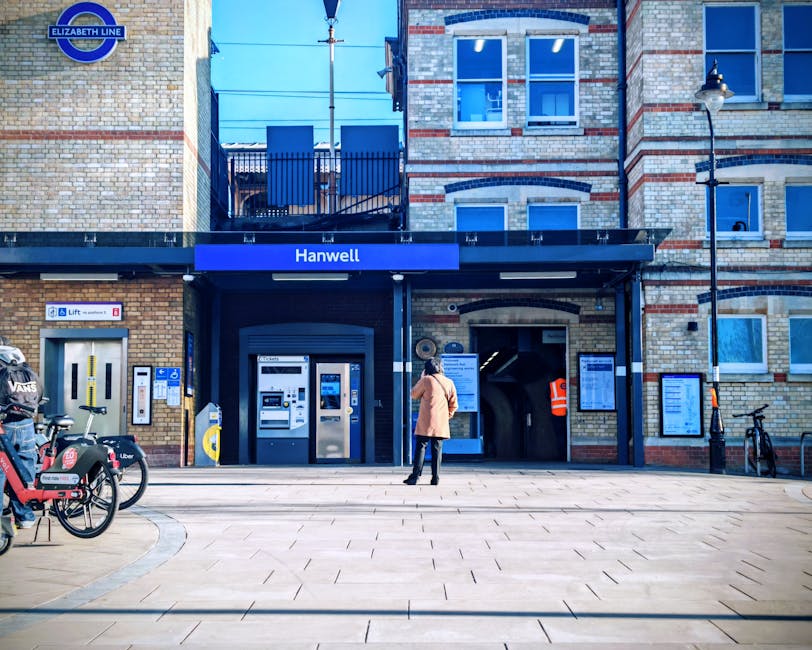
East Finchley is a district in the London Borough of Barnet, in north London, and it is closely associated with the course of the A1000 High Road and the transport links around East Finchley Underground station. The station sits on the High Barnet branch of the Northern line and has long shaped movement through the area, while the surrounding streets combine residential terraces, later suburban housing and local shops. The district’s built form reflects its growth during the late nineteenth and early twentieth centuries, when north London expanded beyond the older village pattern into more structured suburban streets. East Finchley still shows that layering today in the mix of older buildings, interwar homes and practical everyday retail frontages.
Project sizes, access and the route that suits the move
Removal work is easier to organise when the route and the access points have been thought through in advance. That means considering parking, whether lifts are available, how far items need to be carried, and whether larger furniture can pass without dismantling. For straightforward domestic moves, a clear layout and a reasonable loading area can be enough. For more complex jobs, it may be useful to consider a different vehicle size or a more structured loading plan. The choice should suit the property rather than the other way round.
We keep the service range broad so that customers can choose between full removals, item collections and transport-led support. If you are comparing the available pages, same-day removals may be relevant when timing is tight, while student removals can suit a lighter load or a move around term dates. These are different service patterns, but they all depend on sensible planning and accurate information about what is actually being moved.
What to prepare before asking for a price
Try to gather the main facts before you enquire: what is being moved, where it is going, whether anything is fragile, and whether there are stairs, lifts or parking restrictions. A short list is often enough. If you have any special items such as a piano, large wardrobe or office archive, mention them early so the quotation reflects the work properly. For more detailed price information, the pricing and quotes page is the natural next step.
Quotations, insurance and a clear next step

When a customer asks for a quotation, the main aim is to describe the move accurately enough for the scope to be clear. That might include the number of rooms, the type of property, the size of larger furniture and any access limits at either end. The better the basic information, the more useful the quotation is likely to be. If you want reassurance about handling and cover, insurance and safety explains the relevant safeguards at a general level.
Quotations are most helpful when they reflect the work that will actually happen, rather than a rough guess based on limited detail. If packing support, heavier items or storage are involved, mention that from the start so the plan can account for it. For customers who want to review the service process before getting in touch, the about us page gives a broader introduction to the company pages available on this site. A concise enquiry keeps the conversation efficient.
If you are planning an East Finchley move, the simplest next step is to request a quotation with your move date, item list and access details. We can then discuss the most suitable service for the job, whether that is a full home move, office relocation or a lighter man and van arrangement. Clear information leads to a clearer plan. Use the service that fits your move, then contact us when you are ready.