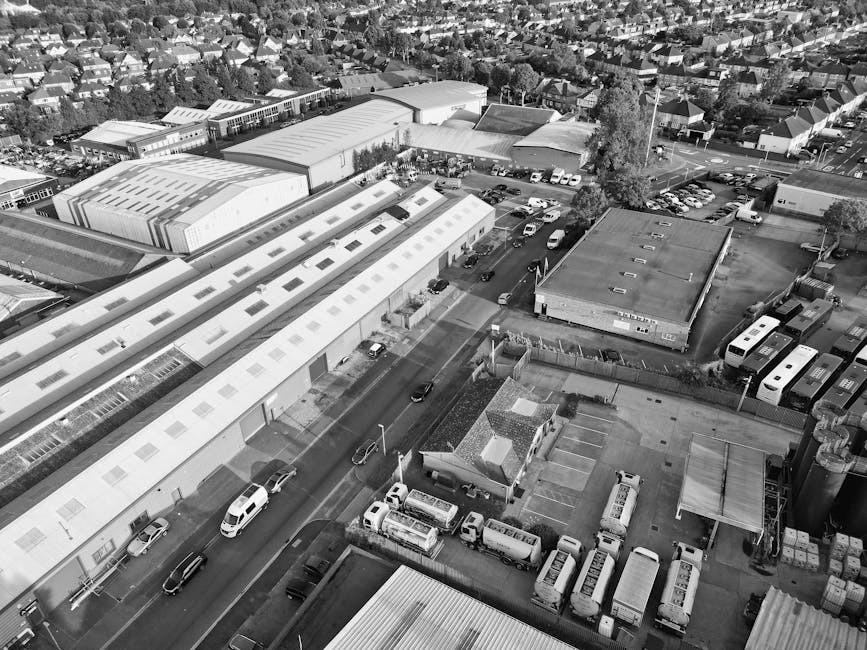
High Road office removals East Finchley commercial moves: a practical guide for smoother business relocation
If you are planning High Road office removals East Finchley commercial moves, you are probably juggling more than boxes and desks. There are staff to brief, clients to reassure, equipment to protect, and a timetable that always feels tighter than it should. Truth be told, office moves are rarely just transport jobs. They are business continuity jobs.
This guide breaks down what a well-run commercial move looks like, how the process usually works, where delays happen, and how to keep the whole thing calm enough to finish with your sanity intact. You will also find a checklist, a comparison table, and a real-world style example to help you plan with confidence.
- Why it matters
- How the move works
- Key benefits and practical advantages
- Who this is for
- Step-by-step guidance
- Expert tips
- Common mistakes to avoid
- Tools, resources and recommendations
- Law, compliance, standards and best practice
- Options and comparison table
- Case study or real-world example
- Practical checklist
- Conclusion
- Frequently asked questions
Why High Road office removals East Finchley commercial moves Matters
A commercial move in East Finchley is not the same as a house move with a few extra chairs. Offices contain equipment, paperwork, IT kit, branded materials, furniture, and sometimes sensitive data. One missed cable, one badly labelled box, or one lift that is too small for the reception desk can slow the whole day down.
High Road, in particular, brings a familiar London challenge: a busy local road, normal peak-hour pressure, tight loading windows, and the sort of on-street reality that makes punctuality more than a nice idea. If your move touches a main route like this, careful planning matters even more. You are not just moving objects. You are managing access, timing, and workflow.
That is why people compare removal companies, request clear quotes, and look closely at services like office removals and commercial moves rather than booking the cheapest van they can find on a Friday afternoon. The cheapest option can become the most expensive very quickly if staff are idle, equipment gets damaged, or the move overruns into the next working day.
There is also a reputation angle. Clients notice disruption. Staff notice disorganisation. And both notice when a business move feels messy. A smooth move says a lot about how a company operates.
How High Road office removals East Finchley commercial moves Works
In a well-run office relocation, the process begins long before moving day. The first job is usually a survey or planning conversation. This is where the team checks access, volumes, fragile items, building restrictions, parking, stairways, lifts, and any awkward pieces of furniture that may need special handling.
After that comes the move plan. This may include the sequence for packing, who labels what, which desks are dismantled first, whether IT equipment is moved separately, and whether any items need short-term holding in storage. If you have worked through an office move before, you will know how often one small item holds up another. A missing monitor cable can cause a surprisingly large amount of fuss at 8:30 on Monday morning. Not ideal.
Most business moves then follow a pattern:
- Pre-move assessment and quote.
- Planning for packing, access, and timing.
- Labelling, decluttering, and preparation.
- Transport of office contents in a controlled order.
- Placement at the new site according to the floor plan.
- Unpacking, reassembly, and final checks.
Some moves are simple enough for a single vehicle and a compact crew. Others need a larger moving truck, extra hands, and more structured handling. The right setup depends on the size of the office, the distance involved, and how quickly the business needs to get back up and running.
For many businesses, it helps to combine moving support with packing and unpacking services. That way, the same team that understands the move logistics can also manage the boxes and reduce the risk of bits and pieces going astray.
Key Benefits and Practical Advantages
The value of a properly managed office move is not just convenience. It is operational stability.
Here are the benefits people usually feel most quickly:
- Less downtime: staff get back to work sooner when the move is structured and labelled well.
- Better protection for equipment: monitors, desks, filing units, and delicate items are handled with more care.
- Cleaner coordination: reception, IT, and management all know what is happening and when.
- Lower stress: fewer last-minute surprises, fewer "where is the printer?" moments.
- Stronger accountability: good movers give a clearer picture of what is included, what is excluded, and what needs preparation.
There is a practical side too. A good move reduces the amount of staff time wasted on lifting, hunting for missing items, and redoing work that was not packed properly. If someone from the finance team has to spend half a day looking for archive boxes, that is not just annoying; it costs money.
And here is the quiet advantage people often overlook: a well-organised move can improve how a team feels about the new space. A desk arriving in the right room, a chair already assembled, the kettle where it belongs, and the printer ready to use by lunch. Small things. Big mood shift.
Who This Is For and When It Makes Sense
This kind of service suits a wide mix of organisations, not just large firms with full offices and reception teams.
- Small businesses moving from shared offices to independent premises
- Professional practices relocating files, desks, and IT equipment
- Retail or trade offices that keep stock, tools, or admin equipment on site
- Growing teams moving to a larger workplace
- Businesses downsizing and needing storage or phased removals
- Companies that need out-of-hours or weekend moving support
It also makes sense when timing is tight. Maybe the lease is ending. Maybe the landlord has given a fixed handover date. Maybe the business simply cannot afford to shut down for two full days. In those situations, a structured move can be the difference between a manageable transition and a messy scramble.
If your office move includes bulky chairs, archive cabinets, or the odd awkward item, you may want support from a team that handles furniture removals as part of the process. And if the move is smaller and more flexible, a lighter approach such as man with van support may be enough. The trick is matching the method to the job, not the other way around.
To be fair, lots of office moves are somewhere in the middle. Not tiny, not massive. Just complicated enough to reward good planning.
Step-by-Step Guidance
If you want the move to go smoothly, work through it in stages. Do not leave everything for moving week. That is where the stress monster turns up.
1. Start with a realistic inventory
List the desks, chairs, cabinets, screens, computers, storage units, and shared items that need moving. Walk the office if you need to. The old "I'm sure we only have two printers" assumption tends to age badly.
2. Decide what should move, stay, or go
Commercial moves are a good time to sort out surplus items. Broken furniture, outdated stock, and duplicate equipment often sneak into a move plan if nobody asks the obvious question: do we actually need this at the new site?
3. Confirm access at both locations
Check stairs, lifts, parking, loading restrictions, and whether either building needs advance notice. On a busy road, a small delay can ripple through the whole day. A proper plan should account for that.
4. Label everything clearly
Use room names, team names, or workstation numbers. Colour coding helps too. If your team can understand it at a glance, you have done it right.
5. Protect sensitive or fragile items
Wrap screens, secure cables, empty drawers if needed, and isolate confidential paperwork. This is also the stage where office shredding and document handling should be sorted in-house, not guessed on the day.
6. Schedule the move around business needs
Some businesses prefer evenings or weekends. Others split the move into phases so that critical operations stay live. If your operation can be staggered, that often reduces disruption more than a single all-at-once move.
7. Rebuild the new workplace methodically
Do not unpack randomly. Start with essentials: desks, IT, connectivity, kitchen basics, and shared tools. The rest can follow. A few tidy boxes and a working printer are worth more than a dozen half-open cartons.
Expert Tips for Better Results
In our experience, the best commercial moves are the ones that are quietly boring. No drama. No mystery. No frantic bin bags stuffed with cables.
- Appoint one decision-maker. Too many voices can stall simple choices.
- Share the floor plan early. A mover can only place items properly if the destination is clear.
- Keep IT separate where possible. Computers and network kit often deserve their own handling plan.
- Pack by function, not by random space. Admin items together, meeting room items together, archive items together.
- Keep a "first day" box. Chargers, kettle, stationery, basic tools, extension leads, tape, and any essentials you will need immediately.
One small but useful tip: photograph cable setups before unplugging anything. It saves time later. People forget this all the time, then spend ten minutes staring at a tangle of wires that somehow looks bigger after lunch. Happens more often than anyone admits.
If you need help with the build-up to the move, a service such as packing and boxes can take a lot of pressure off internal staff. And if a move includes mixed household or office overflow, it can be useful to compare broader removal services as well, so you know exactly what scope you are booking.
Common Mistakes to Avoid
Most office move problems are predictable, which is the frustrating part. Fortunately, that also means they are avoidable.
- Leaving packing until the last minute. This is the classic. It always looks manageable until it isn't.
- Underestimating access issues. A van may fit on paper, but not always in real life.
- Failing to label items by destination. Moving boxes without a destination is just storage with extra exercise.
- Not checking insurance and responsibility. Know what is covered and what is not.
- Ignoring building rules. Some sites require booking lift times or notifying management in advance.
- Forgetting staff communication. If people do not know the plan, they create their own plan. Usually a bad one.
Another common issue is trying to do too much at once. If the office is moving, files are being archived, old furniture is being thrown out, and new desks are arriving on the same day, the moving team ends up doing project management by accident. That is not ideal.
Sometimes the safest answer is to split the job. Use storage for the items that do not need to arrive on day one. It makes the move feel much more controlled.
Tools, Resources and Recommendations
You do not need fancy software to run a good office move, but a few practical tools can make a huge difference.
- Room-by-room inventory sheet: useful for tracking what goes where.
- Colour labels or tape: quick visual sorting for teams and boxes.
- Simple floor plan: even a printed layout is better than none.
- Basic toolkit: screwdrivers, tape, scissors, zip ties, and marker pens.
- Checklist for day one: so the new office becomes functional fast.
For business owners comparing providers, it can help to review whether the company also offers broader support such as office relocation services, flexible removal companies, or lighter vehicle options like removal van transport for smaller loads.
If you are shifting a modest amount of equipment and do not need a full-scale truck, a smaller setup can be more efficient and easier to park. If the load is heavy, awkward, or time-sensitive, a larger vehicle is usually the safer call. It is not about being impressive. It is about being practical.
Law, Compliance, Standards, or Best Practice
Office moves in the UK should be handled with normal business care around health and safety, data protection, and building access. The exact obligations depend on the premises and the type of work involved, so it is wise to take a cautious approach rather than assume everything is straightforward.
At minimum, businesses should think about:
- Health and safety: safe lifting, clear walkways, and sensible handling of heavy or awkward items.
- Confidentiality: paper records, client files, and devices should be moved with care.
- Insurance: check what is covered during loading, transit, and unloading.
- Building access rules: many commercial properties have their own requirements for lifts, loading bays, and timings.
- Environmental practice: unwanted furniture and packaging should be sorted responsibly where possible.
A good mover should be comfortable talking through these points in plain English. If you want reassurance before booking, it is sensible to read their health and safety policy and insurance and safety information. That is not paperwork for paperwork's sake. It is part of making the move predictable.
Good practice also means being honest about limits. Some items need special handling, some buildings have awkward access, and some timeframes are simply ambitious. A trustworthy provider will say so early.
Options, Methods, or Comparison Table
There is no single best way to move an office. The right method depends on size, urgency, and how much disruption your team can absorb.
| Method | Best for | Strengths | Limitations |
|---|---|---|---|
| Full office removal team | Larger commercial moves, desks, filing, IT, and furniture | Structured, efficient, better for tight deadlines | Usually costs more than a small vehicle option |
| Van-based move | Smaller offices or partial relocations | Flexible, easier access, lighter footprint | Less suitable for bulky or high-volume moves |
| Phased relocation | Businesses that need to stay partly operational | Reduces downtime, spreads pressure | Needs more coordination and scheduling discipline |
| Move with storage support | Downsizing, refurbishment, staged reopening | Helps manage overflow and timing gaps | Requires extra planning and clear item tracking |
If you are comparing options, do not just ask "how much?". Ask what is included, how access is handled, whether packing support is available, and what happens if the schedule changes. Those details matter a lot more than the headline price on a rushed Tuesday morning.
Case Study or Real-World Example
Picture a small professional office near High Road moving into a new space a short distance away. The team has desks, desktop computers, a filing cabinet, two printer units, client folders, a meeting table, and a surprising number of cables nobody has fully identified. Classic.
They start by sorting what stays and what goes. Broken chairs are removed, duplicate stationery is boxed separately, and the archive is split into active and non-active files. The move is scheduled for late afternoon so staff can finish basic tasks before the main handover begins.
On moving day, the team labels each box by room and department. The movers load the heaviest items first, keep fragile equipment separate, and place everything according to the new floor plan. The printers go in last because nobody wants to trip over a giant machine at the doorway. Sensible, really.
By early evening, the office is not fully finished, but it is functional. The first-day essentials box is opened, the desks are in place, and the staff can start the next morning without rummaging through mystery cartons. That is what a good move feels like: steady, organised, and unremarkable in the best possible way.
In a more complex case, businesses sometimes pair the move with same day removals support or additional packing and unpacking services to keep the transition tight. Not every move needs that, of course. But when it does, it makes a real difference.
Practical Checklist
Use this checklist in the final week before the move. It keeps the chaos down, or at least manageable.
- Confirm moving date, access times, and parking arrangements.
- Share the floor plan with the removal team.
- Prepare a full inventory of office items.
- Decide what will be moved, stored, recycled, or discarded.
- Back up key data and secure confidential files.
- Label boxes by room, team, or workstation.
- Disconnect and photograph IT and cable setups.
- Pack a first-day essentials box.
- Notify staff of arrival timing and responsibilities.
- Check insurance and policy details.
- Make sure the new office is ready for deliveries and access.
- Plan who opens, checks, and signs off the new space.
Expert summary: the smoother the move plan, the less disruption your business feels. Focus on access, labelling, communication, and the first day back at work. That is where the real value lives.
Get a free quote today and see how much you can save.
Conclusion
High Road office removals East Finchley commercial moves work best when they are treated as a business project, not just a transport job. The good news is that most of the stress can be reduced with simple habits: plan early, label clearly, check access, and keep the first day in mind.
If you choose the right mix of planning and practical support, the move becomes a reset rather than a disruption. Staff settle faster. Equipment arrives safely. The new space starts to feel like a real workplace instead of a box-filled puzzle.
And that, honestly, is the point. A good move gives you room to get back to the work that matters.
Frequently Asked Questions
What is included in High Road office removals East Finchley commercial moves?
It usually includes planning, loading, transport, unloading, and placing office items in the new premises. Depending on the provider, packing support, furniture handling, and storage may also be available.
How far in advance should I book an office move?
As early as you can. Smaller moves may be arranged more quickly, but larger commercial relocations benefit from extra planning time, especially if access is tight or the building has restrictions.
Can an office move happen outside normal working hours?
Yes, often it can. Evening, weekend, or phased moves are common when a business wants to reduce downtime and keep operations running as long as possible.
Do office removals include packing?
Sometimes yes, sometimes no. It depends on the service level you book. If you want less disruption for your team, ask about packing and boxes and full packing support.
What should I do with old furniture I do not want to move?
Sort it before moving day. Some items may be recycled, some may be removed separately, and some businesses prefer a storage or staged disposal approach so the move stays tidy.
Is storage useful during a commercial move?
Yes. Storage is very helpful if the new office is smaller, if you are refurbishing, or if part of the equipment does not need to arrive immediately. It keeps the move more manageable.
How do I keep IT equipment safe during the move?
Back up data first, disconnect devices carefully, label cables, and move sensitive equipment separately if needed. Many businesses also keep an IT lead involved on the day, which is a smart move.
What if my office is on a busy road with difficult access?
Then planning matters even more. Check parking, loading, and timing in advance, and make sure the removal team knows about any restrictions or awkward entry points.
Should I compare removal companies by price only?
No. Price matters, of course, but so do insurance, planning support, communication, and how well the company understands commercial work. Cheap can be expensive if the move goes wrong.
What is the difference between office removals and commercial moves?
Office removals usually focus on desks, furniture, and office equipment. Commercial moves is the broader term and can include more varied business contents, different site types, and more complex logistics.
How can I make the first day in the new office easier?
Prepare an essentials box, get key desks and IT in place first, and make sure the new layout is clear before anything arrives. A small amount of order on day one saves a lot of stress later.
Who should manage the move internally?
Ideally one person should oversee decisions, with help from team leads if needed. That keeps communication clear and avoids delays caused by too many competing instructions.